English| EUR
Suggested for you
More currencies
Choose a language
Via ferrata routes are graded to match climbers with appropriate challenge levels. Whistler Mountain's system follows international alpine classifications, translating exposure, technical demand, and endurance into objective ratings. Knowing the scale helps you choose routes that match your fitness and nerve rather than guessing from marketing descriptions.
Quick answer
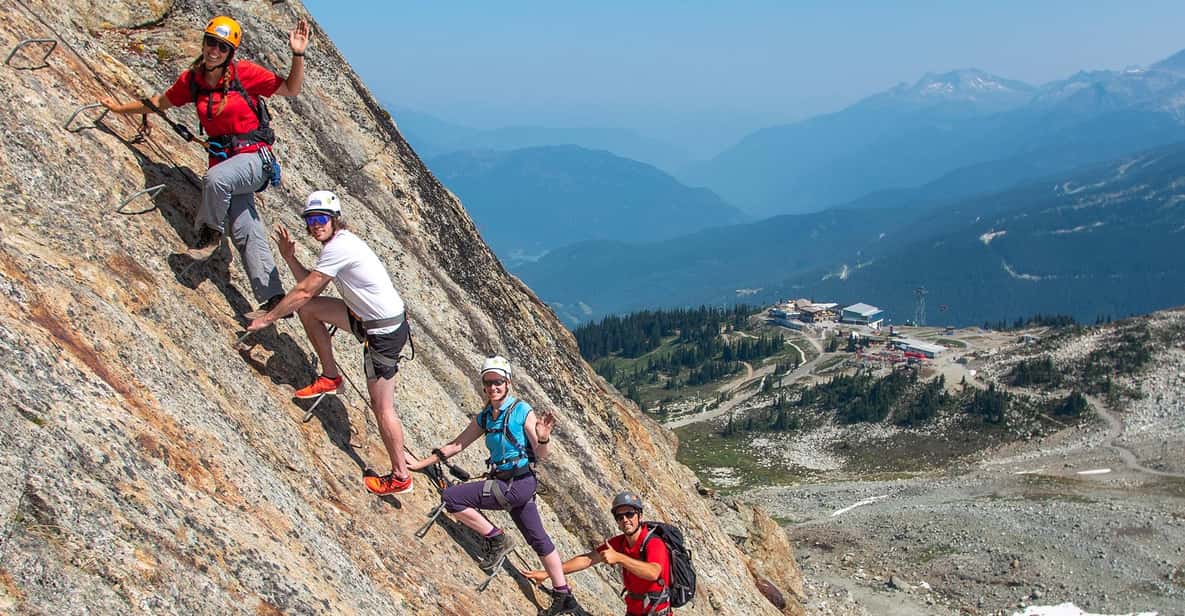
Whistler Mountain via ferrata routes use a graded classification system ranging from beginner to advanced, based on exposure, cable length, technical sections, and vertical gain. The rating system follows alpine ferrata conventions: routes are categorized by stamina requirements, heights above ground, and the presence of overhangs or traverse sections. Each grade corresponds to specific physical demands and prior climbing exposure, ensuring participants select routes aligned with their capability before the guided tour begins at 9:00 AM daily.
Via ferrata rating systems translate raw mountain geometry into readable risk profiles. Whistler Mountain employs an alpine classification framework that evaluates each route segment by cable angle, handholds, footholds, exposure to drop, and sustained vertical effort. Routes are not scaled by fear—they are measured by the biomechanical demands placed on arms, legs, and core over distance and time. The grading structure separates beginner routes—short cable sections with ladder rungs and minimal exposure—from advanced circuits that require continuous upper-body engagement, traverse moves across vertical rock, and comfort with multi-hundred-meter sight lines to the valley floor. A beginner grade assumes no prior climbing vocabulary; an intermediate grade expects participants to manage their own carabiner transitions without verbal cues; an advanced grade demands endurance over exposure and the ability to problem-solve body positioning on overhangs. Each grade reflects not only the rock face but the psychological load of height, commitment, and sustained effort. Understanding ferrata difficulty grades allows climbers to self-select appropriately rather than rely on subjective confidence. The classification accounts for cable anchor spacing, the presence of steel stirrups versus raw rock edges, and whether a section requires dynamic movement or static holds. Whistler's routes also factor in environmental variables—wind exposure, rain runoff on slabs, and seasonal temperature—that affect grip and fatigue but remain constant across the grading scale. Guided tours departing from Whistler Mountain between 9:00 AM and 1:30 PM include pre-climb briefings that map participants to routes by declared fitness and prior alpine experience. The via ferrata rating system is the shared language that matches ambition to terrain, ensuring that challenge remains within the envelope of managed risk. Ratings are posted at trailheads, reviewed during equipment checks, and referenced throughout ascent planning, turning subjective thrill into quantified decision-making.
“Via ferrata grades measure biomechanical demand and exposure, not subjective fear—each rating reflects the physical cost of distance, angle, and height.”
Visitors to the Whistler Via Ferrata choose between two primary route progressions that differ in scale and challenge. Understanding these levels ensures participants select an experience matching their comfort with height and physical demand.
| Whistler Peak Route Intermediate Progression Recommended | North Face Route Advanced Progression | |
|---|---|---|
| Route Name | Whistler Peak Route | North Face Route |
| Difficulty Level | Intermediate | Advanced |
| Physical Exertion | Moderate | High |
| Technical Requirement | Low | Moderate |
| Exposure Level | Moderate | High |
Verdict: Select the Whistler Peak Route for a balanced introduction to vertical terrain, or choose the North Face Route if you possess prior experience and seek a more demanding physical ascent.
The best arrival window for via ferrata routes on Whistler Mountain is 09:00–13:30, as morning sessions typically offer better mountain conditions and weather stability. Seasonal accessibility depends on snowpack levels and lift operations, which generally allow climbing from late June through early October.
Warm, stable, 15°C to 25°C
Long daylight hours provide consistent climbing opportunities throughout the day.
Cooler, potential for early snow
Conditions can change rapidly; monitor local mountain weather updates.
—
Arriving between 09:00–13:30 avoids peak afternoon congestion and maintains optimal visibility.
Verdict: For the most stable conditions and minimal crowding, plan your visit for a weekday morning between July and early September.
The Via Ferrata activities at Whistler Mountain operate daily to accommodate guests interested in the rating system and mountain climbing experiences.
Confirm your booking and prepare the right gear before heading to the mountain.
Everything you need to know about via ferrata rating system
The via ferrata rating system in Whistler focuses on accessibility for those with moderate fitness levels, utilizing fixed steel cables and ladder rungs. While international scales like the Schall or Hüsler systems use letters A through E to grade technical difficulty, the Whistler course is designed to be an engaging, guided introduction for non-climbers.
No prior rock climbing or mountaineering experience is necessary to join a tour. Your professional guide provides all essential instruction on using the specialized lanyard system and climbing techniques before you begin.
Participants should possess a moderate level of physical fitness to navigate the mountain terrain and elevation gain. The activity involves hiking and vertical movement on ladders, making it more engaging than a standard trail hike.
The minimum age for the Whistler experience is 12 years old. All youth participants under 19 must be accompanied by an adult, and a guardian signature is required for those under the age of 19.
Difficulty is determined by a combination of vertical exposure, physical exertion, and the nature of the terrain. Long routes at high altitude or those with overhanging sections typically increase the perceived intensity compared to shorter, better-aided paths.
There is no single universal standard for a via ferrata rating system, as methods vary significantly between regions and countries. Most systems categorize routes based on technical difficulty, physical endurance, and the level of exposure encountered during the ascent.
Whistler Via Ferrata Tour Options
Read more GuideIs Whistler Via Ferrata Dangerous?
Read more GuideWhistler Via Ferrata Route Map
Read more GuideWhistler Via Ferrata Reddit Insights
Read more GuideWhistler Via Ferrata Without a Guide
Read more GuideWhistler Via Ferrata Reviews
Read more